

.jpg)


Mongolian Ancestry
The origins of the Mongolian people can be traced back thousands of years to the nomadic cultures of the Eurasian steppe. Throughout history, numerous tribes and confederations, including the Xiongnu, Turks, Uighurs, Khitan, and Mongols, inhabited the vast grasslands of Central Asia and contributed to the development of Mongolia's cultural identity.
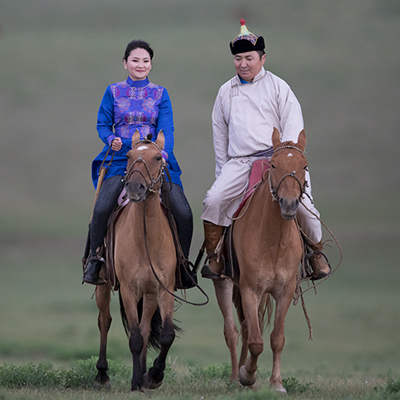
For centuries, life on the steppe required mobility, horsemanship, adaptability, and strong family networks. These qualities became defining characteristics of Mongolian society and helped shape the traditions that continue today.
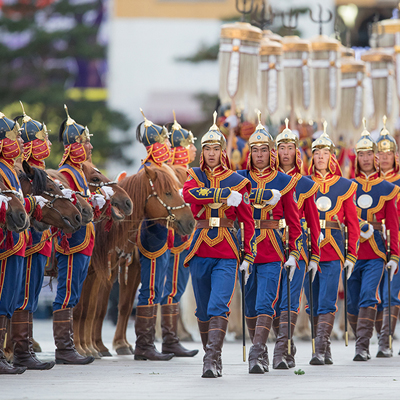
The unification of the Mongol tribes by Chinggis Khaan in the early 13th century marked a turning point in Mongolian history. Under his leadership and that of his successors, the Mongol Empire connected vast regions of Eurasia, facilitating trade, cultural exchange, and communication across continents.
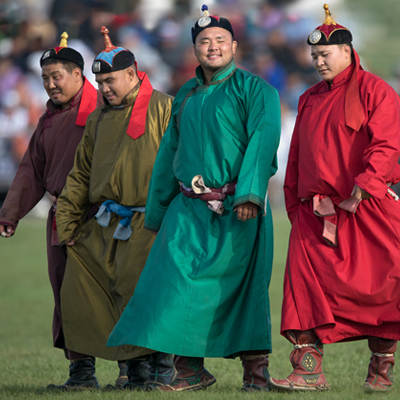
Despite periods of foreign influence and political change, Mongolians have maintained a strong sense of identity rooted in their nomadic heritage, language, and traditions. Elements of steppe culture—including horse culture, hospitality, seasonal migration, and respect for nature—remain important parts of everyday life.
Today, the ancestry of the Mongolian people reflects a long history of movement, adaptation, and cultural continuity that links modern Mongolia with the great civilizations of the Eurasian steppe.