
Mongolian Ancestry

Mongolian Ancestor

Mongolian history is rich and diverse, shaped by a nomadic lifestyle, fierce warriors, and a significant impact on world civilization through the Mongol Empire. Here’s a detailed overview of Mongolian ancestors:

1.     Early Nomadic Tribes: Mongolian history dates back to ancient times when various nomadic tribes inhabited the vast steppes of Central Asia. These tribes included the Xiongnu, who were significant in early interactions with Chinese dynasties.

2.     The Rise of Genghis Khan: In the early 13th century, Temujin, later known as Genghis Khan, emerged as a unifying figure among Mongol tribes. He succeeded in uniting them through a combination of military skill, diplomatic prowess, and shrewd political maneuvering.

3.     The Mongol Empire: Under Genghis Khan and his successors, the Mongol Empire became the largest contiguous land empire in history, spanning from Eastern Europe to the Sea of Japan. The empire had a profound impact on global trade, communication, and cultural exchange through the Pax Mongolica.

4.     Military Prowess: Mongolian warriors were renowned for their exceptional cavalry skills and tactics, including the effective use of composite bows and strategic maneuvering on horseback. These skills enabled them to conquer vast territories and defeat much larger armies.

5.     Administrative Innovations: The Mongols implemented administrative innovations such as a meritocratic system based on competency rather than hereditary privilege. They also established efficient postal and communication networks across their empire.

6.     Legacy and Descendants: Genghis Khan’s descendants continued to rule significant parts of Eurasia for centuries after his death. The Mongolian ruling class, known as the Yuan dynasty, ruled China under Kublai Khan, further influencing Chinese culture and administration.

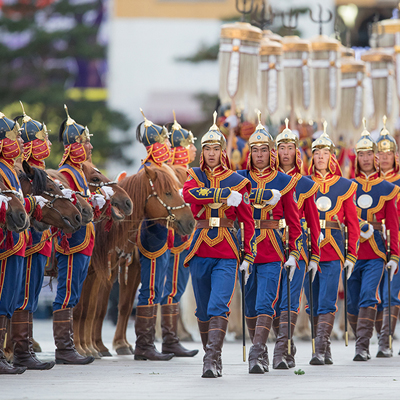
7.     Cultural Contributions: Mongolian culture is characterized by traditions of horsemanship, nomadic lifestyle, throat singing (khöömei), and distinctive clothing such as the deel. Shamanism and Buddhism have historically been important spiritual practices among the Mongols.

8.     Modern Mongolia: Following the fragmentation of the Mongol Empire, Mongolia went through various periods of external domination and internal strife. In the 20th century, Mongolia experienced Soviet influence and later transitioned to democracy in 1990.

9.     Contemporary Mongolian Identity: Today, Mongolia retains a strong sense of national identity rooted in its nomadic heritage and history. The descendants of Genghis Khan are revered figures, and there is ongoing scholarly and public interest in tracing ancestry back to the Mongol Empire.

Understanding Mongolian ancestors involves appreciating their nomadic origins, the transformative impact of Genghis Khan and the Mongol Empire, and the enduring cultural and historical legacy that continues to shape Mongolia and its people today.

arrow_upward

6 Reasons to choose Ayan Travel

Initial tour operator
Experience in Adventure and Discovery Tours
Advisors and specialist
In Photography and Workshops
Our Tours
Our Tours
We arrange Flexible and Fixed trips
Responsible for
Responsible for
Clients- Locals- Nature
During your trip
During your trip
Assistance for 24 hours a day
Service quality
Service quality
Well planning and excellent