

.jpg)


Ethnic diversity
Ethnic diversity
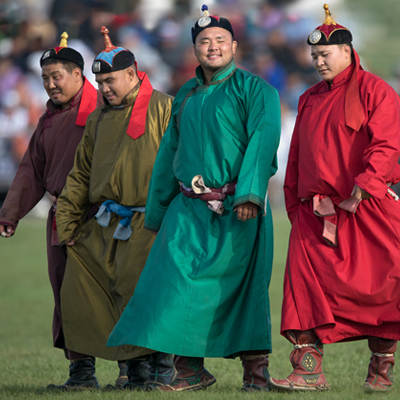
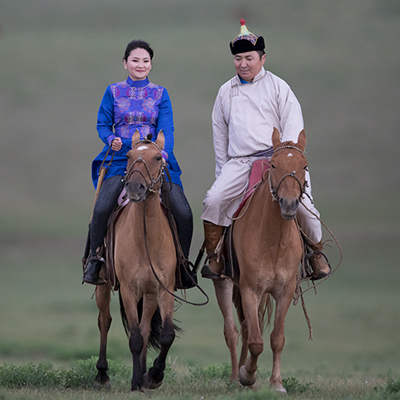
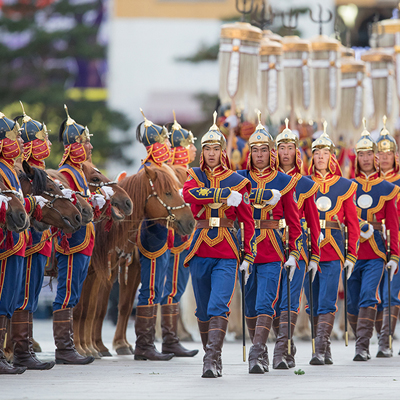
Mongolia is known for its ethnic diversity, with several distinct ethnic groups contributing to the country's cultural tapestry.
Khalkha Mongols:
- Majority Group: Khalkha Mongols are the largest ethnic group in Mongolia, constituting approximately 86% of the population.
- Language and Culture: They speak Khalkha Mongolian, which is the official language of Mongolia. Traditional customs, such as nomadic herding and celebrations like Naadam, are integral to their culture.
- Kazakhs:
- Western Mongolia: Kazakhs are the largest minority group in Mongolia, primarily residing in the Bayan-Ölgii province in western Mongolia.
- Culture: They maintain their distinct Kazakh culture, language (which is Turkic), and traditions, including eagle hunting and traditional music like the dombra.
- Buryats: Residing mainly in northern Mongolia, the Buryats are closely related to the Buryat people of Russia. They speak a dialect of Mongolian and practice Tibetan Buddhism.
- Darkhad: Living in the northern regions of Mongolia, the Darkhad are known for their traditional lifestyle and Shamanistic beliefs.
- Uriankhai: In western Mongolia, the Uriankhai have historically been known for their ties to the Mongol Empire and their distinctive culture and language.
- Dörvöds: Located in the eastern part of Mongolia, the Dörvöds are traditionally herders and are part of the broader Mongol ethnic group.
- Tuvans: In western Mongolia, near the Russian border, Tuvans have their own distinct Turkic language and cultural practices.
- Mongolian Chinese: Ethnic Mongolians also reside in Inner Mongolia (China), maintaining ties with Mongolians in Mongolia through cultural and familial connections.
- Interethnic Relations: Mongolia has historically been a crossroads of various cultures and ethnicities, resulting in cultural exchange and mutual influences.
- Tolerance and Integration: While maintaining distinct cultural identities, ethnic groups in Mongolia generally coexist peacefully, with Mongolian identity often transcending ethnic boundaries.
- Government Policies: The Mongolian government promotes cultural diversity and supports initiatives to preserve and celebrate the heritage of all ethnic groups.
- Cultural Festivals: Events like Naadam and Eagle Festivals showcase the diversity of Mongolian ethnic traditions and attract international attention.
- Other Ethnic Minorities:
- Cultural Interaction and Influence:
- Preservation of Cultural Heritage:
Understanding Mongolia's ethnic diversity involves appreciating the contributions of various groups to the country's cultural mosaic while recognizing efforts to maintain cultural heritage and foster interethnic harmony.