





.jpg)


THE GOLDEN EAGLE HUNTERS OF MONGOLIA: Family, Tradition, and Survival in the Altai Mountains
Written from over twenty years of travel, photography, and collaboration with eagle hunting families in western Mongolia.
Long before eagle festivals became known internationally, the relationship between Kazakh eagle hunters and the Altai Mountains had already existed for generations.
This culture was never created for tourism. It was shaped slowly through mountain life, winter survival, horses, hunting traditions, family responsibility, and the vast landscape of western Mongolia itself.
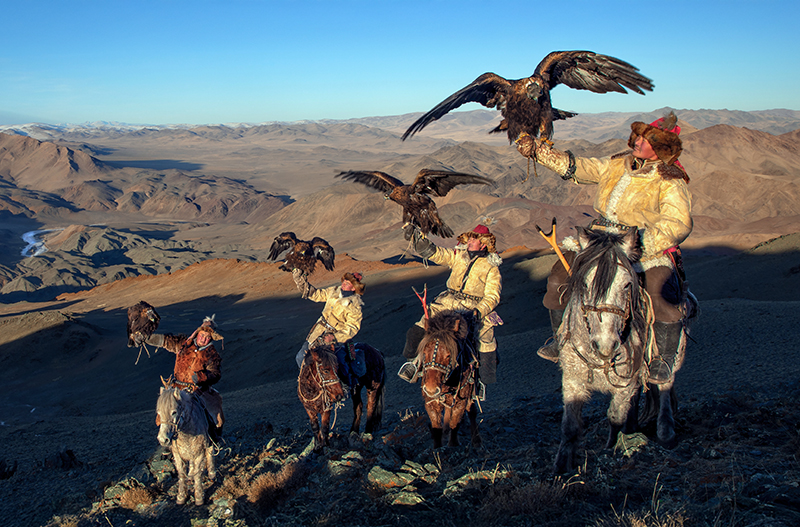
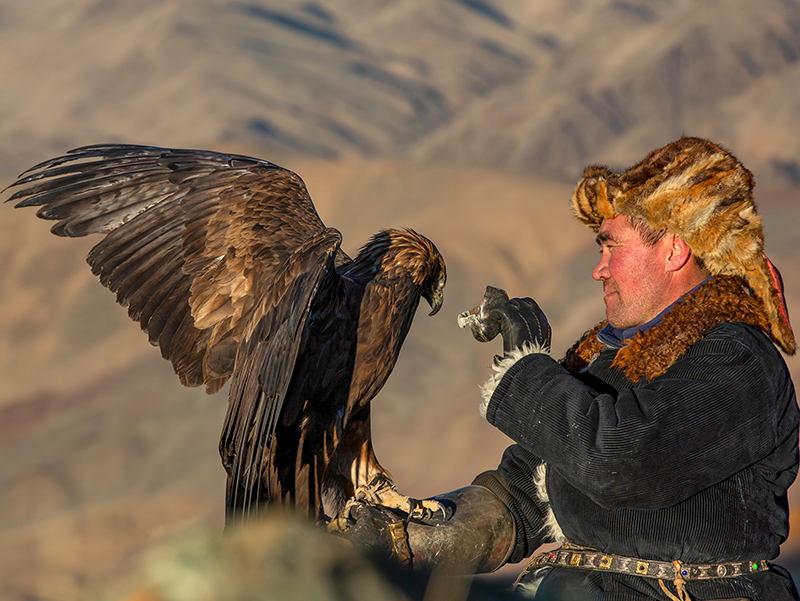
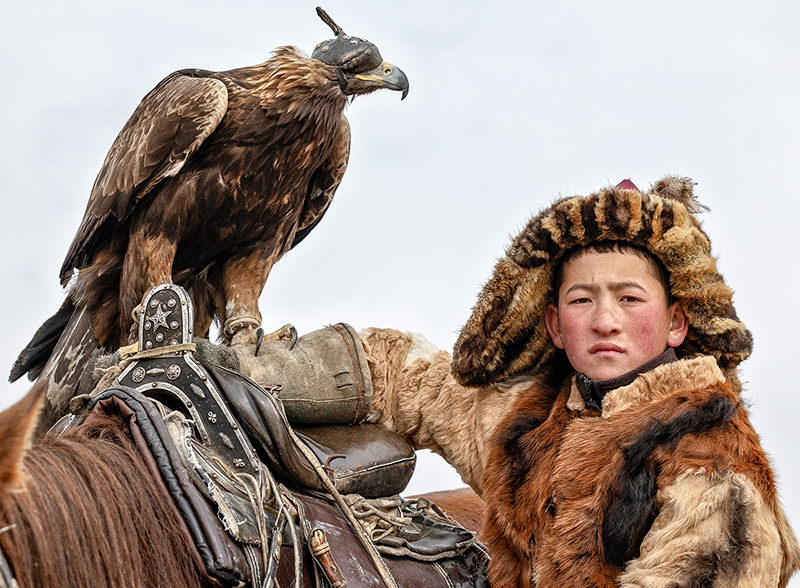
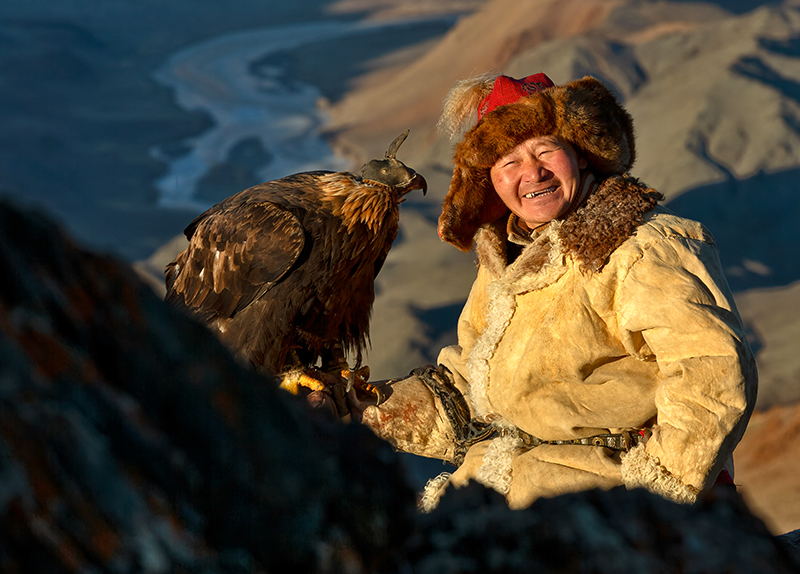
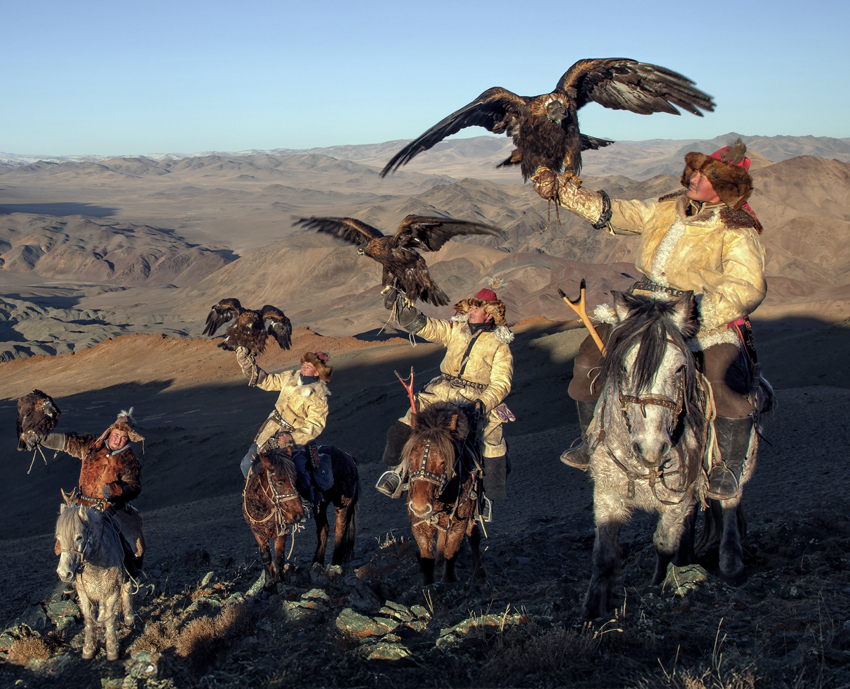
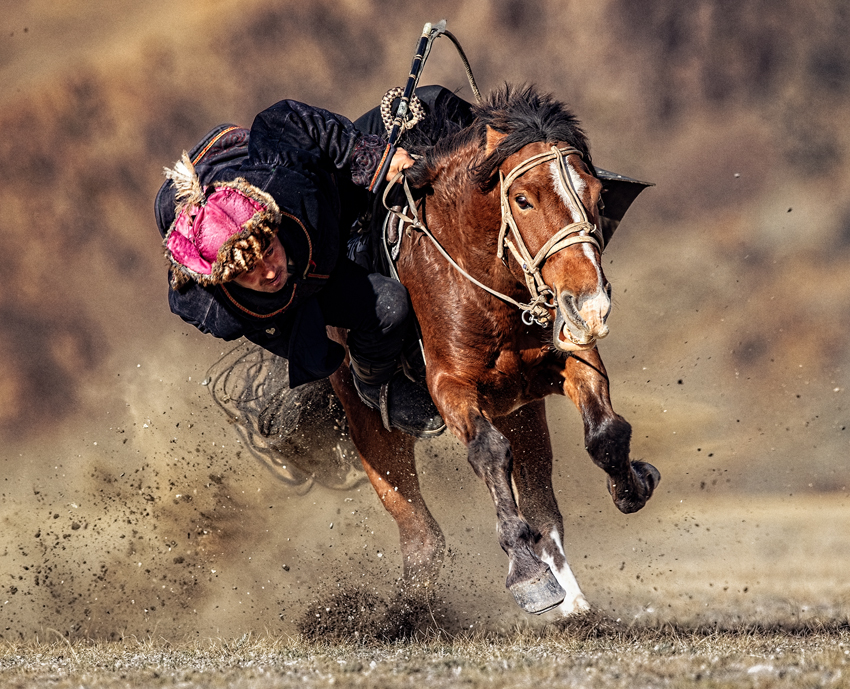
The first time I watched an eagle hunter riding beneath the high Altai mountains with a golden eagle on his arm, something immediately felt natural about the scene — almost like seeing a fish return to water. The mountains, the horse, the eagle, and the rider did not feel separated from one another. They belonged together.
Over the past twenty years working in tourism and photography across Mongolia, I came to understand that this feeling is also what attracts so many visitors to the Altai. People are not simply coming to see an eagle. They are trying to experience a living cultural world that still remains deeply connected to place, family, and landscape.
I did not grow up inside this tradition myself. I was born in Zavkhan province in central Mongolia and come from a Khalkh Mongolian background. In many ways, I first encountered the eagle hunters as an outsider too — with curiosity and respect, much like the travelers who arrive in the Altai for the first time. Over the years, however, that curiosity gradually became a deeper understanding of how unique and fragile this cultural world truly is.
A Culture Shaped by the Altai
Not everyone becomes an eagle hunter.
Among Kazakh families of the Altai, eagle hunting is not simply a hobby or performance. Knowledge is often passed from father to son, from older brother to younger brother, and between generations over long periods of time. The tradition carries patience, responsibility, and years of lived experience.
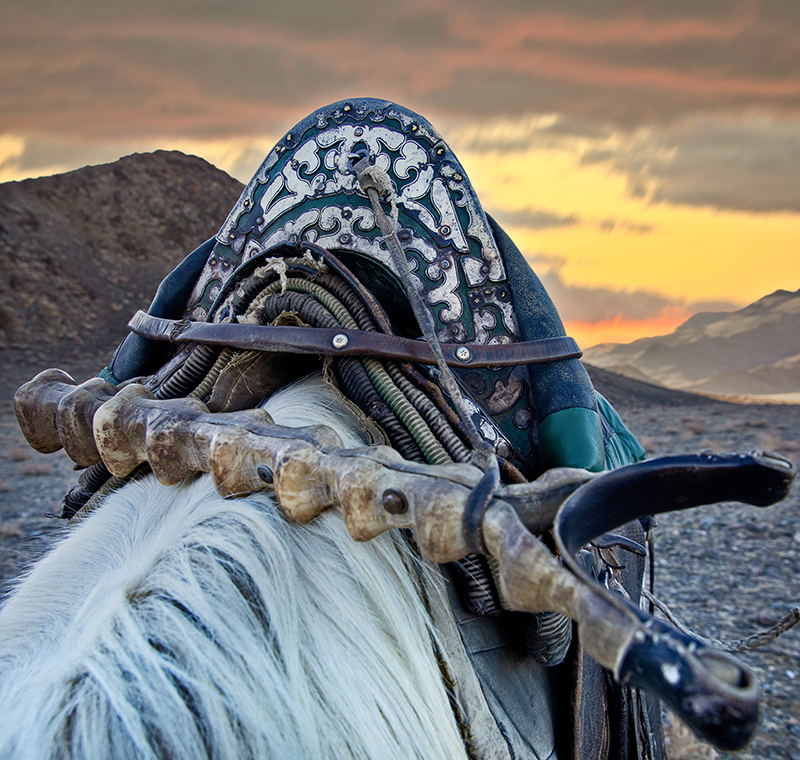
The culture itself could only have emerged in a place like the Altai. Horses, open valleys, winter conditions, hunting traditions, and the rhythm of nomadic life all shaped the world in which eagle hunting survived. Even today, seeing an eagle hunter riding through the mountain valleys still feels inseparable from the landscape around him.
An eagle itself is also far more than a symbol displayed during festivals.
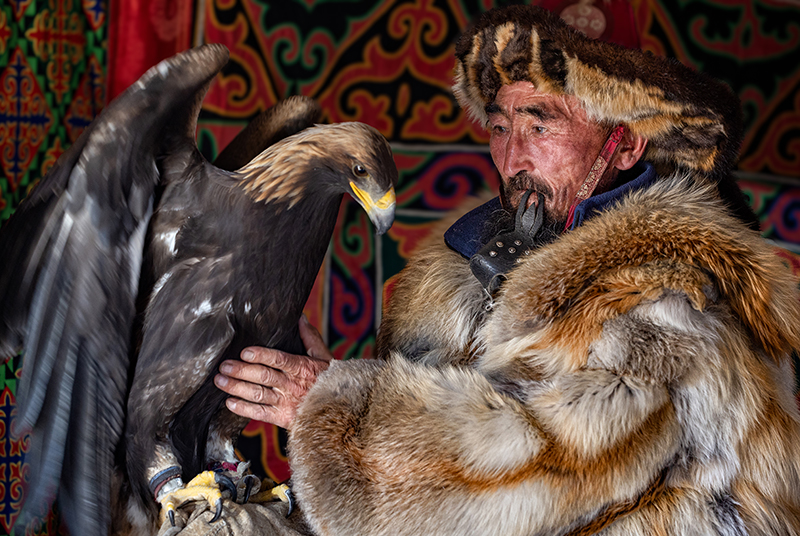
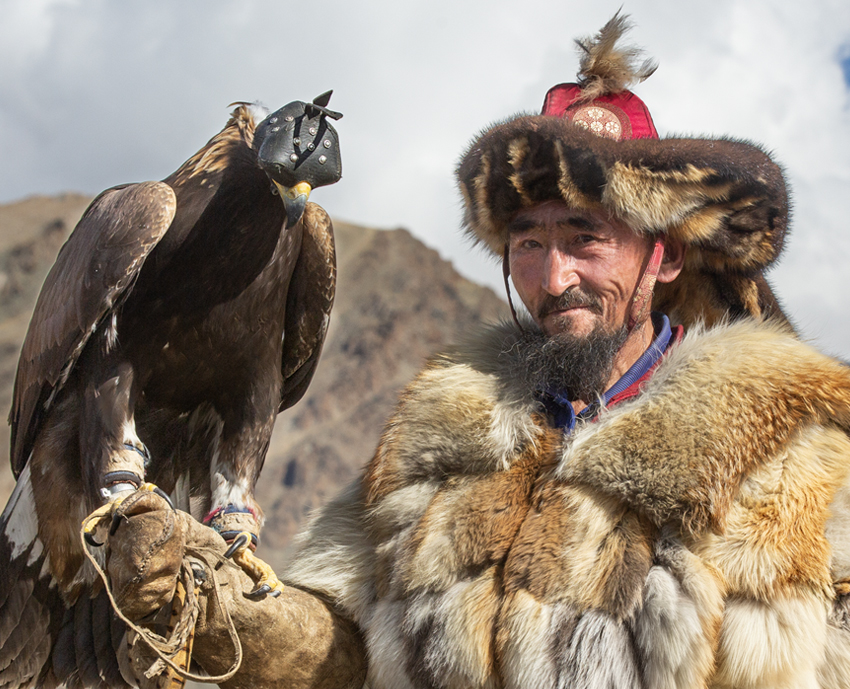
Keeping a golden eagle requires constant care, feeding, training, and attention throughout the year. During the warmer seasons, many eagles live outside. But in winter, the eagle often lives inside the family home itself, occupying its own place in the western-southern side of the ger or house.
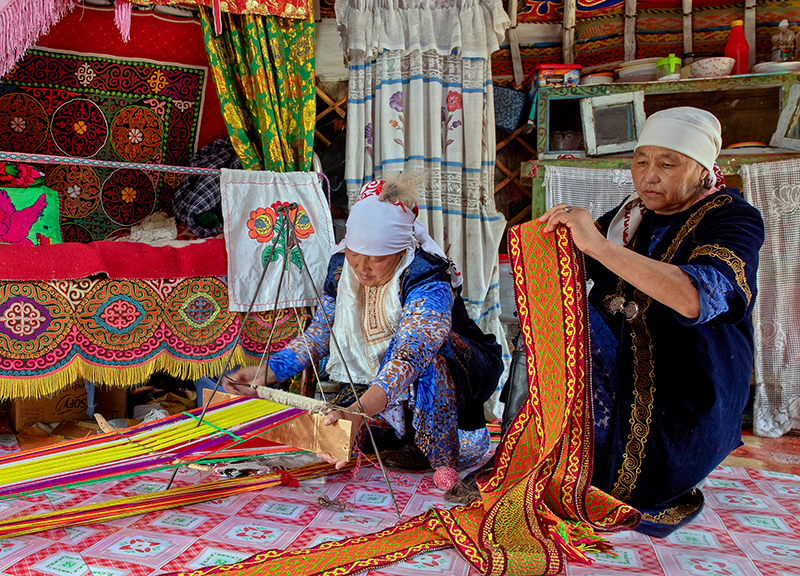
Caring for the bird becomes part of everyday family life. Children help feed and look after the eagle. Women clean the surrounding space and participate in its daily care. Over time, the eagle becomes part of the household itself.
This is one reason why eagle hunting culture cannot be understood only through competitions or photographs alone. Behind every eagle hunter stands an entire family helping carry the tradition forward.
A Changing Modern World
Like many traditional ways of life around the world, the eagle hunter culture of the Altai is also changing.
Several hunters from remote regions have spoken quietly about leaving the tradition behind — not because they stopped respecting it, but because keeping an eagle has become increasingly difficult. Feeding and caring for the birds requires time, money, and constant effort. Hunting opportunities have also changed over time as wildlife regulations, modern economic realities, and daily life in the Altai have gradually shifted.
Families living far from tourism routes often face even greater challenges. Some hunters explained that they eventually had to focus more on raising livestock and supporting their families rather than continuing to keep eagles as previous generations once did.
In the past, eagle hunting was closely tied to survival and winter hunting in the mountains. Today, the world surrounding the Altai hunters is no longer the same.
Like many remote regions facing rapid modernization, the Altai is also changing quickly, bringing both new opportunities and new pressures for local communities.
Yet the culture still remains alive.
Not because it has stayed frozen in the past, but because families continue adapting while trying to protect what matters most.
Why Gatherings Still Matter
For generations, eagle hunters gathered seasonally not only to compete, but also to meet one another, exchange knowledge, maintain relationships between families, and continue a shared cultural identity connected to the Altai.
Modern eagle festivals grew naturally from this deeper tradition of gathering.
Today, these gatherings remain important not only for visitors, but also for the hunters themselves. Preparing for the festival becomes part of the yearly rhythm of many eagle hunting families. It creates pride, motivation, and recognition within the community itself.
The festivals are also larger than the competitions alone.
Women present traditional handicrafts and handmade work. Children perform music and cultural programs. Young artists display drawings and paintings inspired by their homeland and heritage. Many of these children may become the next generation who continue carrying the culture forward in different ways.
In this sense, the eagle festivals are not simply performances for tourists. They remain living community gatherings connected to the wider cultural world of the Altai.
Tourism and Continuity
Tourism alone cannot preserve culture.
But when done respectfully, it can help traditions remain economically meaningful in a changing world.
For some families today, introducing travelers to their eagles and way of life has become one of the few realistic ways to continue keeping the tradition alive while remaining in the Altai itself.
For Mongolia’s tourism industry, the eagle festival season also arrives at an important time of year. Much of the country’s tourism remains concentrated between June and August. The eagle festivals of September and October create opportunities beyond the short summer season — not only for travelers, but also for remote western communities.
Families build guest gers. Local drivers find work. Horse owners, craftsmen, musicians, cooks, and herding families all become part of the wider cultural economy surrounding the festivals.
Today, new roads are reaching Sagsai. Small tourism camps are beginning to appear. Some eagle hunter families are preparing additional guest spaces beside their homes. These changes may seem small, but they represent something important: the possibility that local people can continue living with dignity while remaining connected to their own traditions.
The Role of Sagsai
For this reason, the Sagsai Golden Eagle Festival has always meant more to us than a tourism event alone.
Sagsai is not simply an administrative district. It is one of the cultural centers of Mongolia’s Kazakh eagle hunter world. Many of the country’s eagle hunting families continue living there, and we believed it was important for visitors to experience this culture closer to the communities where it still survives most strongly.
Even the prizes given during the festival reflect a philosophy we have tried to protect.
For many years, the festival’s top winners have been awarded horses rather than modern machinery or vehicles. This choice was intentional. We hope the image of the horse-mounted eagle hunter remains part of the Altai landscape for generations to come.
The goal has never been to create mass tourism.
The goal is to help people understand why this culture matters — not only to the Kazakh eagle hunters themselves, but also to Mongolia’s cultural identity and to the future of the Altai region.
Looking Forward
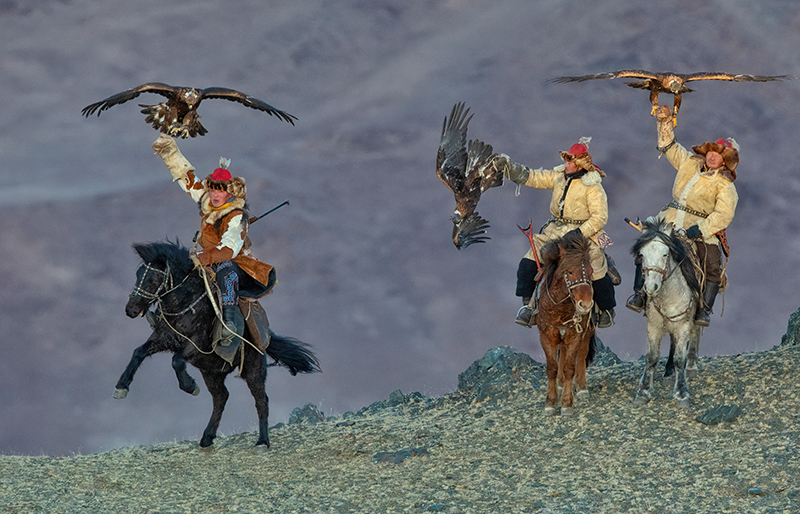
Today, the golden eagle hunters of Mongolia stand at an important moment between continuity and change.
Roads are arriving. The modern world is expanding. Younger generations are growing up differently from their grandparents.
Yet in the mountains of the Altai, there are still mornings when an eagle hunter rides across open valleys beneath snow-covered peaks with his bird raised against the cold wind — a sight that still feels inseparable from the land itself.
Preserving that relationship may become one of the quiet cultural responsibilities of our generation.
Experience the Eagle Hunter Traditions of the Altai
Explore our curated journeys into western Mongolia and experience the living culture of the Kazakh eagle hunters respectfully and responsibly through the Sagsai Golden Eagle Festival.
Visit Mongolian Photos


Latest Blogs


Most Read Blogs


Useful Travel Tips


Blog Archive
Related Tours


