


.jpg)

Desert of Mongolia
Mongolian Gobi Desert
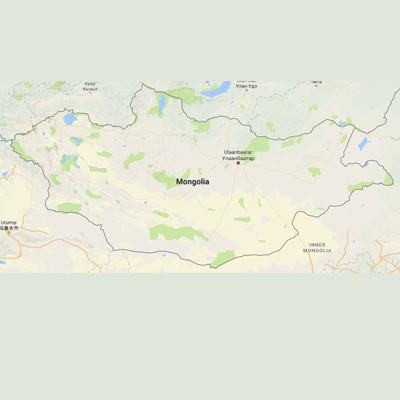
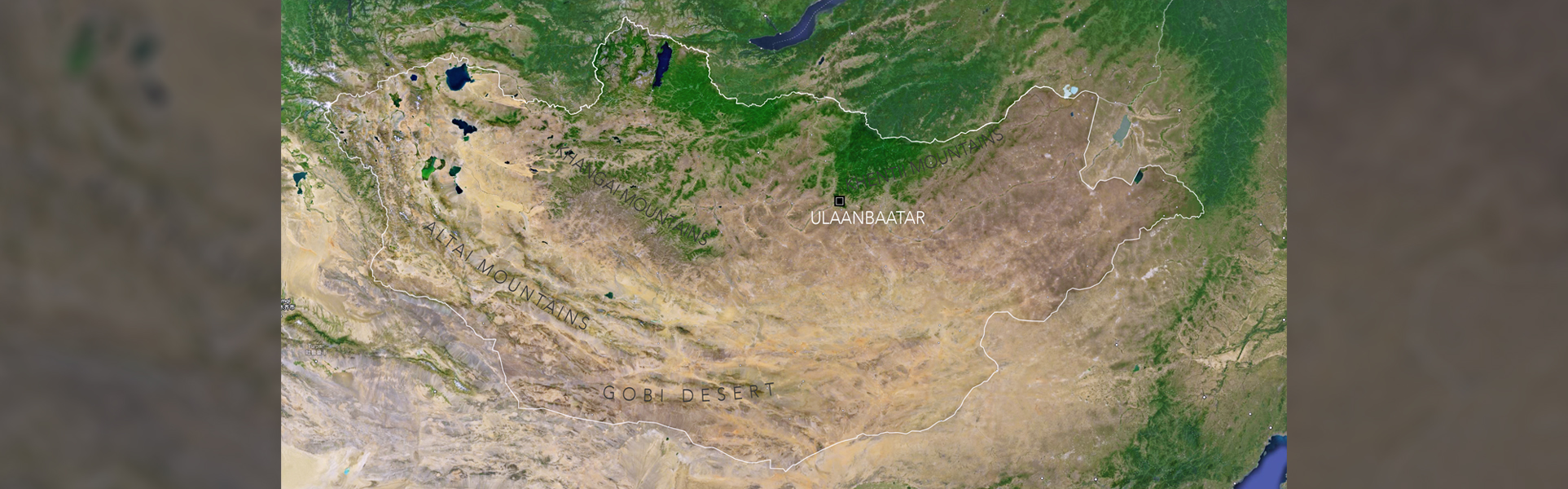
The Gobi Desert is commonly cited as the sixth largest desert in the world by area. It spans across northern China and southern Mongolia, covering an area of approximately 1,295,000 square kilometers (500,000 square miles). It's notable for its diverse landscapes, including sand dunes, Rocky Mountains, gravel plains, salt flats, and occasional oases. The Gobi Desert plays a significant role in shaping the climate and ecology of the region, and it has been an important historical and cultural region for millennia.
The climate of the Mongolian Gobi Desert is characterized by low precipitation, high evaporation rates, and harsh weather conditions. Summers are hot, with temperatures often exceeding 40°C (104°F), while winters are cold, with temperatures dropping below freezing. The region experiences occasional sandstorms, particularly during the spring months. Water is scarce in the Gobi Desert, with limited surface water sources such as intermittent streams and oases. Underground water reserves, accessed through wells, are essential for human and animal survival in the region.

The Mongolian Gobi Desert is a vast and diverse landscape characterized by several distinct terrain features:
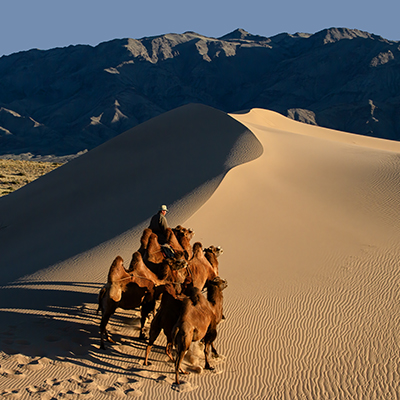
1. Sand Dunes: The Gobi Desert is famous for its expansive sand dunes, some of which reach heights of over 200 meters. These dunes are constantly shifting due to wind erosion, creating a dynamic and ever-changing landscape.
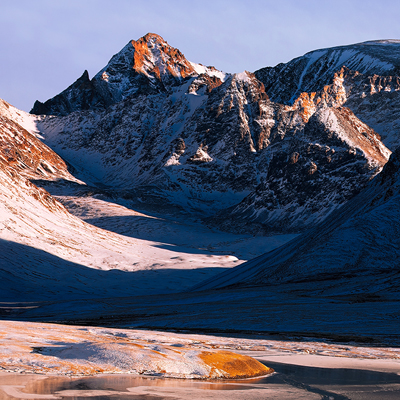
2. Rocky Mountains and Hills: In addition to sand dunes, the Gobi Desert features Rocky Mountains and hills scattered throughout its terrain. These rocky formations provide habitat for various desert-adapted plants and animals.
3. Salt Flats: Some areas of the Gobi Desert contain vast salt flats, where saline minerals have accumulated over time. These salt flats can create a stark, white landscape and are often devoid of vegetation.
4. Gravel Plains: Gravel plains are common in the Gobi Desert, consisting of vast expanses of small rocks and pebbles. These plains are typically arid and support only sparse vegetation.
5. Oases: Despite its arid reputation, the Gobi Desert is home to several oases, where underground water sources allow for the growth of vegetation. These oases are vital for both wildlife and human populations, providing essential water and resources in an otherwise harsh environment.
6. Fluvial Deposits: The Gobi Desert contains dried riverbeds and ancient fluvial deposits, evidence of past water flow in the region. These features can sometimes be identified by the presence of sedimentary layers and eroded channels.
7. Gobi Steppe: In some parts of the Gobi, particularly towards its northern edge, there are vast steppe grasslands interspersed with patches of desert. These steppe regions receive more precipitation than the desert proper and support a greater diversity of plant and animal life.
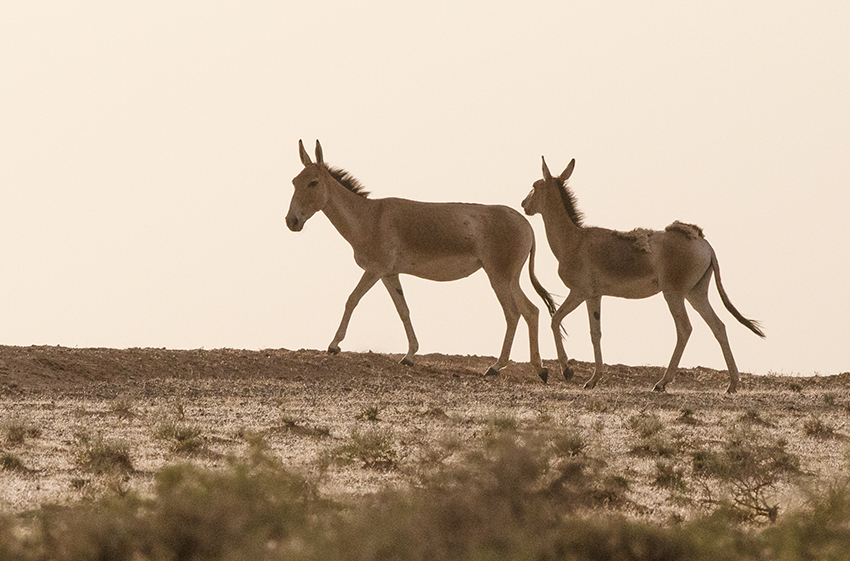
Despite its arid conditions, the Mongolian Gobi Desert supports a surprising diversity of plant and animal life. Wildlife in the region includes species adapted to desert environments, such as Bactrian camels, wild asses, ibex, gazelles, vultures, and other birds.
The Gobi Desert is considered harsh for several reasons, primarily due to its extreme aridity, temperature fluctuations, and sparse vegetation. Here are some key factors contributing to its harshness:
- Limited Precipitation: The Gobi Desert receives very little rainfall throughout the year, with annual precipitation averaging less than 200 millimeters in most areas. This scarcity of water limits the growth of vegetation and makes it difficult for organisms to survive.
- Extreme Temperatures: The Gobi Desert experiences dramatic temperature fluctuations between day and night, as well as between seasons. In summer, temperatures can soar above 40°C (104°F) during the day and drop significantly at night. In winter, temperatures can plunge well below freezing, with cold winds sweeping across the desert landscape.
- Low Humidity: The desert's arid climate results in low humidity levels, which can exacerbate the feeling of heat and contribute to dehydration. Low humidity also limits the availability of water for plants and animals.
- Strong Winds: The Gobi Desert is known for its strong winds, which can whip up sandstorms and contribute to erosion. These winds can also accelerate evaporation, further drying out the landscape.
- Sparse Vegetation: Vegetation cover in the Gobi Desert is limited, consisting mostly of drought-resistant plants adapted to arid conditions. The lack of vegetation exacerbates soil erosion, reduces habitat for wildlife, and contributes to the overall harshness of the environment.
- Sparse Human Settlements: The harsh conditions of the Gobi Desert have historically discouraged large-scale human settlement. While nomadic herders and small communities have inhabited certain areas, population density is generally low compared to more hospitable regions.
- Geographical Features: The terrain of the Gobi Desert, including its vast sand dunes, rocky mountains, and salt flats, presents challenges for navigation and survival. Water sources are scarce and often located deep underground, making access to water a constant struggle.
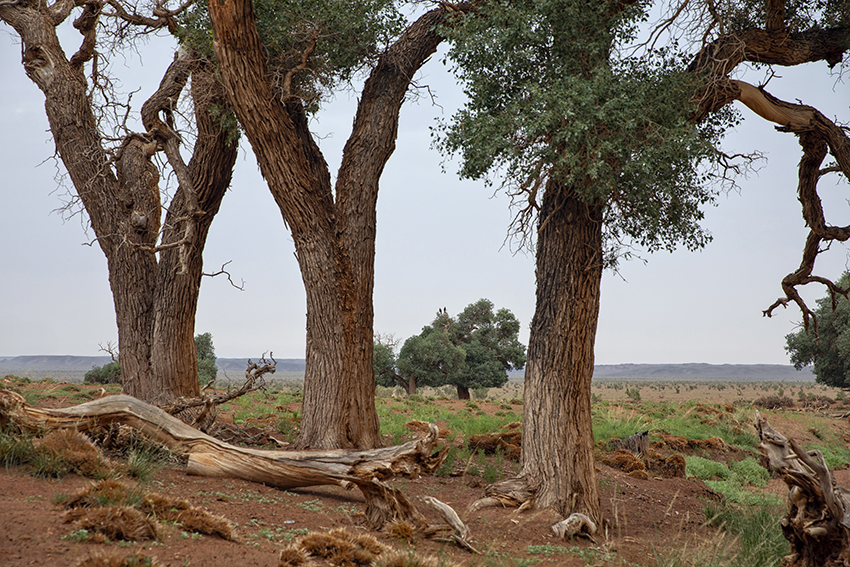
Mongolian Gobi Flora and Fauna
The Gobi Desert, despite its harsh and arid environment, supports a surprising diversity of flora and fauna, including many species that are uniquely adapted to the desert conditions.
Gobi Desert Flora:
1. Saxaul Trees (Haloxylon): These small, drought-resistant trees are a common sight in the Gobi Desert. They have deep root systems that allow them to access water deep underground.
2. Gobi Bearberry (Arctostaphylos gobiensis): This plant is endemic to the Gobi Desert and is well adapted to the extreme conditions. It has small, leathery leaves and produces berries that are an important food source for wildlife.
3. Gobi Thyme (Thymus mongolicus): This aromatic herb is found in the Gobi Desert and is known for its medicinal properties. It has small, gray-green leaves and produces clusters of purple flowers.
4. Ephedra (Ephedra sinica): This shrub is native to arid regions of Asia, including the Gobi Desert. It has green, jointed stems and produces small cones containing seeds.
Gobi Desert Fauna:
1. Bactrian Camel (Camelus bactrianus): This iconic species is well adapted to the harsh desert environment of the Gobi. It has two humps that store fat, allowing it to survive long periods without water.
2. Gobi Jerboa (Allactaga bullata): This small rodent is endemic to the Gobi Desert and is known for its long hind legs and hopping locomotion. It has large ears that help dissipate heat and a long tail for balance.
3. Gobi Viper (Daboia g. raddei): This venomous snake is found in the Gobi Desert and is well adapted to the desert environment. It has a cryptic coloration that helps it blend into its surroundings.
4. Gobi Ibex (Capra sibirica): This wild goat species is native to the mountains surrounding the Gobi Desert. It is well adapted to rocky terrain and extreme temperatures.
5. Gobi Desert Gecko (Yaguarondi deltoptyx): This small lizard is found in the Gobi Desert and is adapted to the desert environment. It has specialized skin that allows it to absorb water from the sand.
Mongolian Gobi bear - Mazaalai
The Mongolian Gobi bear, also known as Mazaalai, is a rare subspecies of the brown bear (Ursus arctos) native to the Gobi Desert in Mongolia. Mazaalai is considered a critically endangered species, with an estimated population of fewer than 30 individuals remaining in the wild.
These bears have adapted to survive in the harsh desert environment of the Gobi, where temperatures can range from extreme heat in the summer to freezing cold in the winter. They have a unique diet that includes vegetation, insects, and occasionally small mammals.
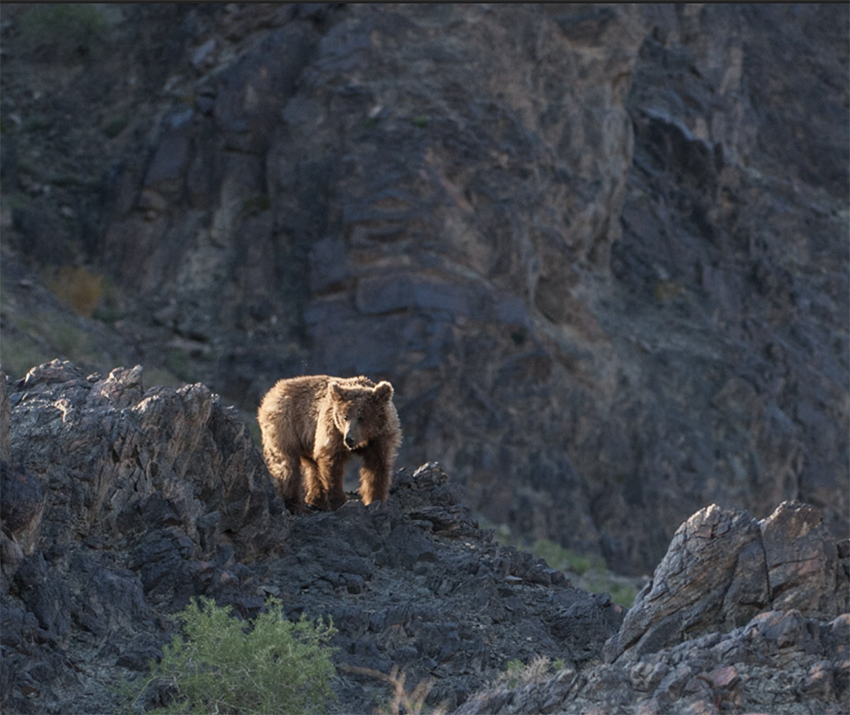
The main threats to the Mongolian Gobi bear include habitat loss due to human activities such as mining and infrastructure development, as well as poaching and illegal hunting. Conservation efforts are underway to protect this rare and iconic species, including habitat conservation, anti-poaching measures, and public awareness campaigns.
These are just a few examples of the unique flora and fauna found in the Gobi Desert. Despite its harsh conditions, the Gobi supports a surprisingly diverse array of life, with many species exhibiting remarkable adaptations to the desert environment.
Dinosaur fossils
The Gobi Desert is renowned for its rich deposits of dinosaur fossils, with some of the most significant discoveries in paleontology made in this region. The fossils found in the Gobi Desert belong to a variety of dinosaur species, including some of the most famous and well-studied dinosaurs like Velociraptor, Protoceratops, and Oviraptor.
In terms of size, the Gobi Desert has yielded numerous dinosaur fossils ranging from small fragments to nearly complete skeletons. Some of these dinosaur fossils are of considerable size, including those of large theropods like Tarbosaurus and Tyrannosaurus rex relatives, as well as long-necked sauropods like Nemegtosaurus.
The Gobi Desert's vast expanse and unique geological formations have provided paleontologists with a treasure trove of fossils, offering insights into the diversity and evolution of dinosaurs during the Mesozoic Era. Excavations and research in the Gobi continue to contribute to our understanding of prehistoric life on Earth.